.webp)
Why is your dryer taking so long to dry clothes?
A dryer that used to finish a load in 45 minutes but now takes 90 or needs two full cycles is giving you a clear signal that something is wrong. In most cases the cause is airflow restriction — the dryer can't exhaust moisture fast enough to dry clothes efficiently. In rarer cases it's a failing heating component. Either way, the problem gets worse over time and, if left alone, usually ends in a complete failure.
These are the six causes we find most often on service calls across Riverside and the Inland Empire, in order of likelihood.
Cause 1: clogged dryer vent
The most common cause by a wide margin. Lint passes through the lint filter and accumulates inside the exhaust duct over months and years. As the blockage builds, moist air can't escape efficiently — so the dryer runs longer and longer trying to dry each load. The tell: the exterior vent flap barely moves during operation, or the laundry room feels noticeably warmer than usual while the dryer runs.
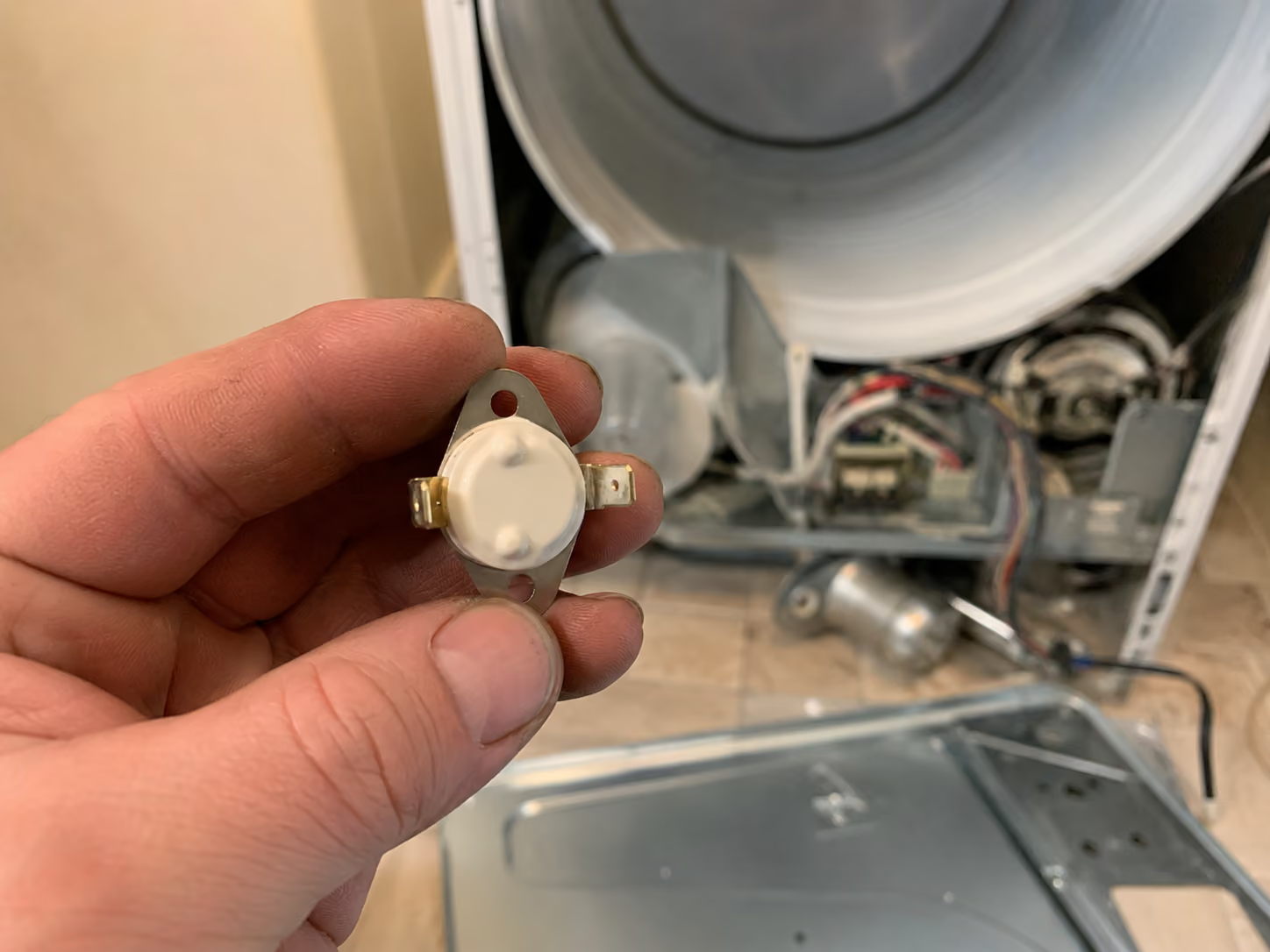
A severely clogged vent doesn't just slow drying — it's a fire hazard. It's also the leading cause of blown thermal fuses. If your dryer suddenly stops heating after months of taking too long to dry, a clogged vent almost certainly blew the thermal fuse. Read our full guide on dryer thermal fuse replacement and why replacing it alone won't fix the problem.
Cause 2: lint filter not cleaned regularly
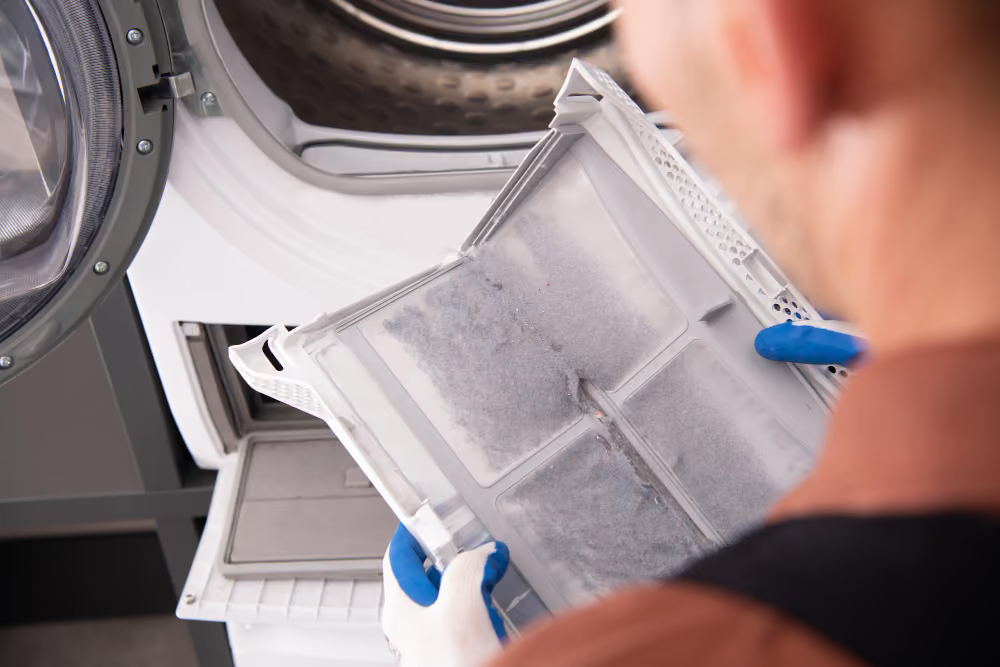
A full lint filter reduces airflow through the drum immediately. Cleaning it after every load is the single easiest way to maintain drying efficiency. If you're not doing this, start here before anything else. See our guide on why cleaning the lint filter after every load matters.
Cause 3: crushed or kinked vent hose
The flexible duct hose connecting the back of the dryer to the wall duct is often kinked or crushed when a dryer is pushed too close to the wall. Pull the dryer forward and inspect the hose — it should have a smooth curve with no tight bends. Replace accordion-style plastic hose with rigid or semi-rigid metal duct, which flows air more efficiently and collects less lint.
Cause 4: failing heating element or gas valve
A heating element that's partially failed — one section of the coil burned out while others still work — produces less heat than the dryer needs but still produces some. The result is clothes that dry eventually but take much longer than normal. This is distinct from a complete heating failure where the dryer produces no heat at all.
Cause 5: worn moisture sensor bars
Most modern dryers use moisture sensor bars — two metal strips inside the drum that detect when laundry is dry and end the cycle automatically. When these bars develop a coating of dryer sheet residue, they can misread moisture levels and end cycles early (leaving clothes damp) or run much longer than necessary. Clean them with a cotton ball and rubbing alcohol.
Cause 6: failing blower wheel or motor
The blower wheel pulls exhaust air through the dryer and out the vent. If it develops a lint clog around its fins or begins to fail mechanically, airflow drops and drying times increase. This is less common than vent blockage but produces similar symptoms.
From a recent call: slow dryer diagnosed in Riverside
A homeowner in Riverside called us after their dryer started taking two full cycles to dry a load of towels. They'd cleaned the lint filter regularly but hadn't touched the vent duct in three years. Alex arrived same day, found the vent hose behind the dryer had been kinked against the wall and also cleaned significant lint buildup from the first two feet of the vent run. Total visit time: 40 minutes. No parts needed beyond the elbow fitting.
The dryer now dries a full load in one 45-minute cycle, exactly as it should.
When to call a technician
Start with the DIY checks: clean the lint filter, inspect the vent hose behind the dryer, and check the exterior vent cap. If airflow seems fine and the dryer still takes too long, the issue is likely internal — a heating element, moisture sensor, or motor — and requires a technician to diagnose properly.
We provide same-day dryer repair across Riverside, Eastvale, Corona, Chino, Chino Hills, and Ontario. Most slow-drying issues are diagnosed and fixed in a single visit.