.webp)
Why cleaning your dryer lint filter matters more than you think
Most people know they should clean the lint filter. Fewer understand exactly what happens when they don't — and why a clogged filter is the start of a chain of problems that ends in either a repair call or a house fire.
This is a short guide that explains what the lint filter actually does, what a dirty one causes, and what else you should be doing beyond the filter to keep your dryer safe and efficient.
What the lint filter actually does
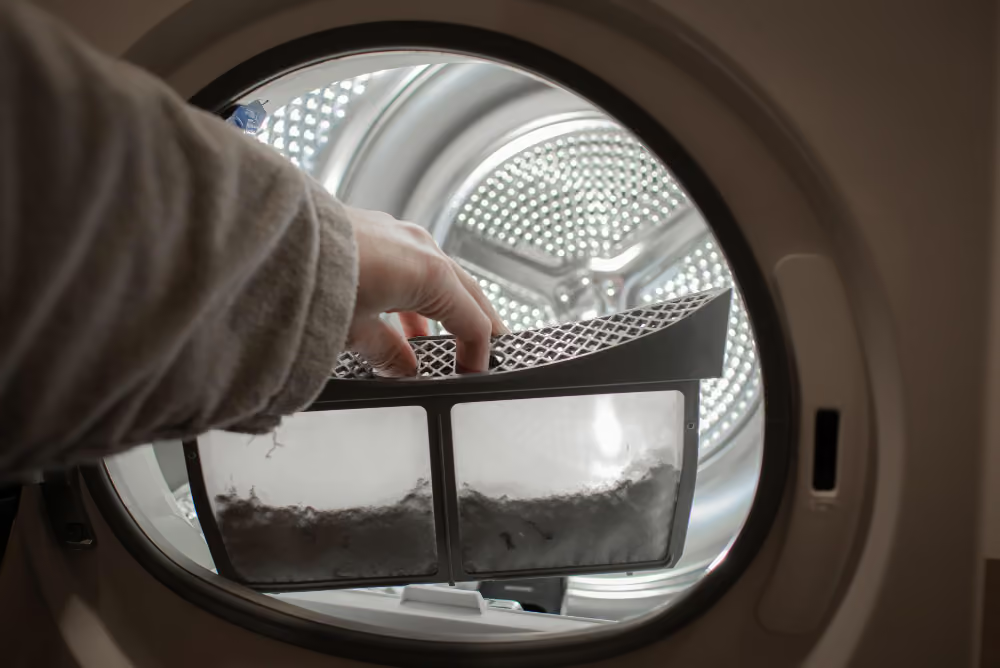
The lint filter catches the loose fibers shed by your laundry during tumbling. Without it, those fibers would pass directly into the exhaust system and accumulate in the vent duct. The filter reduces that buildup significantly — but it doesn't eliminate it. A portion of fine lint always passes through the filter screen and into the duct regardless of how consistently you clean the filter.
What a clogged lint filter causes
A full lint filter restricts airflow through the drum immediately. When airflow is restricted, the dryer has to work harder and run longer to dry each load. This causes three problems in sequence:
Longer drying times — clothes take multiple cycles to dry, wasting time and electricity. This is usually the first sign homeowners notice. See our full breakdown of why dryers take too long to dry clothes for all six causes.
Overheating — when exhaust air can't escape efficiently, heat builds up inside the dryer. The dryer runs hotter and hotter trying to compensate for restricted airflow.
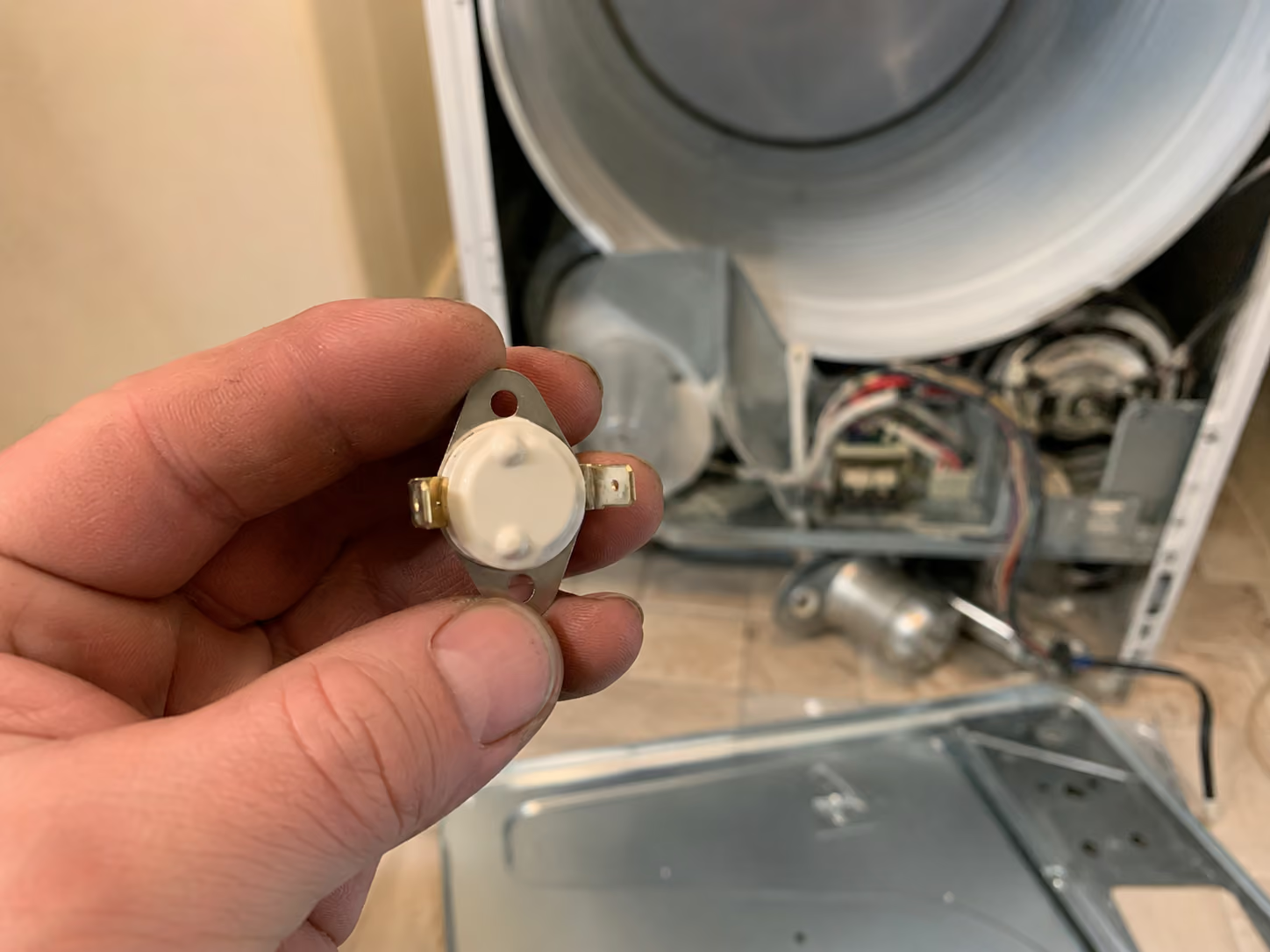
Blown thermal fuse — when temperatures exceed the thermal fuse's threshold, the fuse blows as a safety mechanism. The dryer then produces no heat at all. A blown thermal fuse is one of the most common dryer repairs we do — and in most cases it was preventable. Read our guide on dryer thermal fuse replacement and why the clogged vent is usually the real cause.
The filter is not enough on its own
Even with a clean filter, lint accumulates inside the exhaust duct over time. The duct should be professionally cleaned at least once a year — more often if you do heavy laundry loads or dry pet bedding regularly. The U.S. Fire Administration reports that 34% of dryer fires are caused by failure to clean the dryer, and most of those start in the duct, not at the filter.
For more on vent cleaning and fire risk, see our guide on how often to clean your dryer vent and why it matters.
Final tip
Cleaning your dryer lint filter after every load is one of the simplest ways to improve dryer performance, reduce energy use, prevent overheating problems, and extend the lifespan of your appliance. But pair it with an annual vent cleaning — the filter handles the drum, the vent cleaning handles everything downstream.
If your dryer is overheating, taking too long to dry clothes, producing burning smells, or shutting off unexpectedly, it's important to have it inspected before the problem becomes more serious. We provide professional dryer repair across Corona, Eastvale, Riverside, Ontario, Chino Hills, and surrounding Southern California areas.